Call Us Now | Email Us Now
02.20.2026

Basement Apartments and ADUs in Hamilton: What People Overlook

Buyer Basics

Basement apartments and ADUs in Hamilton are everywhere.

Some were added for aging parents.
Some were created to help cover a mortgage.
Some were built intentionally as income-generating units.
Others have been carved out over time.

They’ve become part of Hamilton’s housing landscape, and in many cases, they work really well.

What doesn’t get talked about much are the everyday realities that tend to show up after someone has already moved in. 👀

Most aren’t dramatic problems or horror stories. Just the practical details that were never part of the original design when the house was built for one household. The kind of nuisances that can interfere with enjoyment.

Whether you’re buying a home with a secondary unit or renting one, here are a few of the things people often discover later.

Safety and Fire Separation 🔥

This is the first place to look because this one goes beyond inconvenience.

The Ontario Building Code sets standards for secondary dwelling units, particularly around fire safety. Requirements can include:

  • Properly sized egress windows
  • At least two safe exits
  • Minimum ceiling heights
  • Fire separation between units
  • Interconnected smoke alarms
  • Specific drywall thickness or fire-rated assemblies
  • In some cases, sprinkler systems

Some units meet these standards, others pre-date them. Some have been partially upgraded but still fall short of full compliance.

If you’re buying, verify what was permitted and inspected.
If you’re renting, look at basics like exits and window size.

Safety should be a priority when choosing a place to live.

One Address, One Mailbox 📬

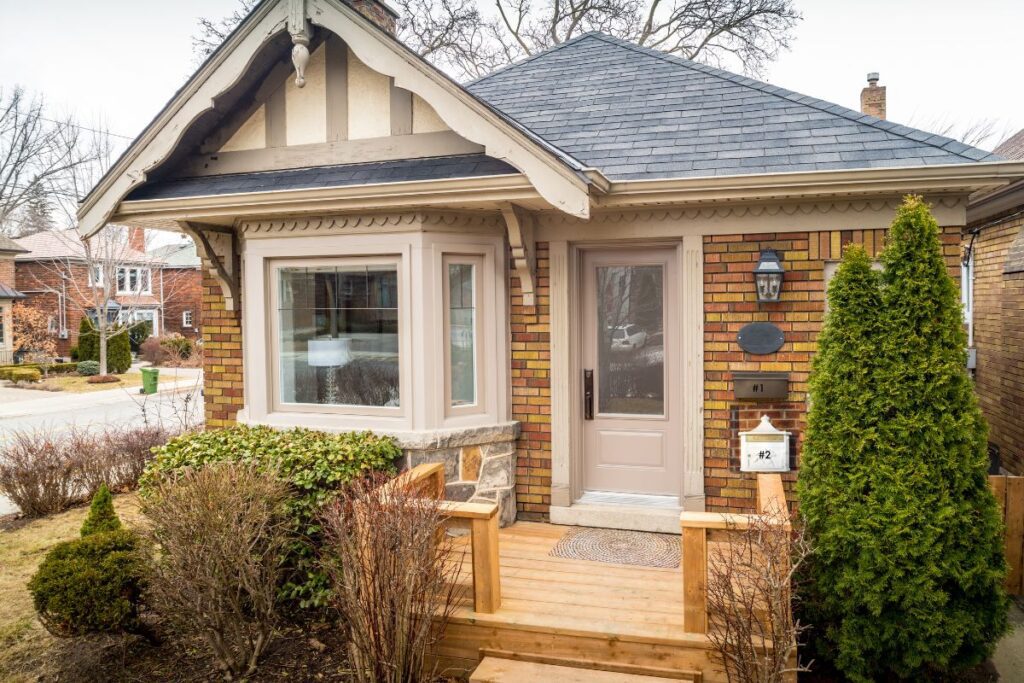
In many neighbourhoods with community mailboxes, Canada Post assigns one box per civic address.

Two units, only one mailbox. 🚨

That means:

  • One key
  • Shared access
  • Shared responsibility

Who holds the key? How is privacy handled? How do you make sure sensitive mail isn’t misplaced?

It’s rarely discussed during a showing, but it matters once you’re there.

Utilities and Shared Systems 🌡️

In homes that were originally single-family, utilities are often shared.

That usually means one furnace, one thermostat, one hydro meter, and one water meter.

In some properties, electricity has been separated and individually metered. That helps with clarity on hydro usage. But even in those cases, heating and water are often still shared systems, so not everything is fully divided.

Sometimes costs are split informally (often 60/40 to account for the basement being a bit smaller). Less often, utilities are included in rent, especially if the primary unit is owner-occupied.

The practical questions usually show up later:

Who controls the temperature?
What happens if one unit uses significantly more power?
Who holds the account with the provider?
What if one party doesn’t pay their share?

If service is interrupted, everyone in the house feels it. Several basement renters have shared that beyond what a listing shows, things like temperature control and noise from upstairs became everyday concerns once they moved in, especially when utilities were included and they didn’t have individual control.

Garbage in Hamilton Is About Coordination 🗑️

Hamilton allows one garbage container per residential address.

That container can absolutely hold multiple smaller bags. In many cases, one large bin is more than enough for two households.

The friction usually isn’t about space, but about coordination.

  • Who stores the bin?
  • Who takes it to the curb?
  • Who buys tags if you exceed the limit?
  • What happens if one unit fills it first?
  • Who cleans it in July when something leaks?

These are everyday logistics that single-family homes never have to negotiate.

Parking Can Be Straightforward… Or Not 🚗🚗

Some homes handle this beautifully. Two-car driveways, clearly assigned spots, neighbourly cooperation.

Others take a little more effort to come up with acceptable arrangements.

If a shared driveway is single-width, someone is going to be moving their car. That’s just reality. And it’s fine if everyone’s schedule lines up. It’s less fine when someone works shifts, leaves early, or gets home late.

I have one client who moved into a 3-unit home with a long, single-wide driveway. They’re happy and making it work, but the amount of coordination it requires to make sure everyone has a spot with such different work schedules is impressive!

Sometimes there’s plenty of street parking and it’s a complete non-issue. Other times, street parking technically exists, but neighbours aren’t thrilled about the same cars lining the curb every day.

In winter, snow piles can shrink what felt like generous space in July. Guest parking becomes a negotiation. Delivery drivers block residents in.

None of this means a property doesn’t work as a multi-unit dwelling. It just means parking in a converted home isn’t always as simple as it looks during a sunny showing.

It’s worth asking:

  • Who parks where?
  • Is anything formally assigned?
  • How does it work in winter?

Because driveway choreography feels very different once you’re living it.

Sound Transmission 👂

Older homes were not built with sound separation between floors.

That can mean hearing footsteps overhead, the hum of a laundry cycle, an early morning alarm, late-night conversations, dogs barking, or children playing.

And here’s the part people don’t always factor in: tenants change.

The quiet couple upstairs this year might move out next year. A family with young kids might move in. A shift worker could replace someone who kept regular hours. An owner who once lived upstairs might decide to rent the space instead.

If you’re in the basement especially, your day-to-day experience can shift depending on who’s above you.

No one is necessarily being unreasonable. It’s simply shared living in a structure that wasn’t originally designed for layered households.

When you’re looking at a space, it helps to think about lifestyle compatibility, as well as layout and square footage.

Water Pressure and Plumbing 🚿

Most of these homes were built with one kitchen and one bathroom in mind. When a second kitchen and extra bathrooms are added later, the original plumbing is still doing its thing.

You’ll usually notice it during the morning rush. Two showers running. Someone washing dishes upstairs. A toilet flush at exactly the wrong moment. The water pressure drops. The temperature changes. Someone yells from behind a bathroom door.

It’s common in older Hamilton homes. They just weren’t built with layered living in mind.

It’s the kind of detail that doesn’t show up during a quiet showing, but becomes obvious once real life kicks in.

Outdoor Space and Maintenance 🌱❄️🧹🐶

Shared outdoor space sounds lovely in theory.

Until it snows.

Or the grass hits that one week in June where it grows three inches overnight.

When a yard is shared, the questions start stacking up pretty quickly. Who shovels? Who cuts the grass? Who trims the hedges before they take over the walkway? Who gets the shed? And who’s hosting the backyard barbecue on Saturday night?

And then there’s the dog.

If one tenant has a dog and the other doesn’t, the yard suddenly has a different dynamic. Cleanup isn’t usually the debate. The timing is. Is it immediate? Is it later that day? Is it “I’ll get to it”? Those expectations matter a lot more when the space is shared.

Add in worn patches of grass or barking during someone else’s Zoom call, and you can see how small differences in lifestyle start to show up.

Under Ontario tenancy rules, if multiple tenants share outdoor space, maintenance is generally the landlord’s responsibility. In real life, though, a lot of properties run on handshake agreements and “we’ll just figure it out.”

That works beautifully when everyone’s on the same page.

It gets awkward when one person is always outside with the shovel while the other is watching from the window with a coffee.

Shared space works best when expectations are clear before the first snowfall.

Insurance and Disclosure 📄

If you’re buying, your insurer needs to understand how the property is being used.

If you’re renting, tenant insurance still protects your personal belongings and liability, even within a shared home.

Insurance complications rarely surface until there’s a claim. Our best advice? Talk to your insurer before buying or signing a lease. Better safe than sorry.

The Bigger Picture 🏡

Basement apartments and ADUs have helped many Hamilton homeowners make housing more accessible.

They’ve allowed families to live together, provided mortgage support, and created flexible living arrangements.

But they do mean more than one household sharing a structure that was originally designed for just one.

That means more coordination, communication, and shared systems.

It’s rarely one big issue that creates tension. It’s small daily details that no one thought to discuss.

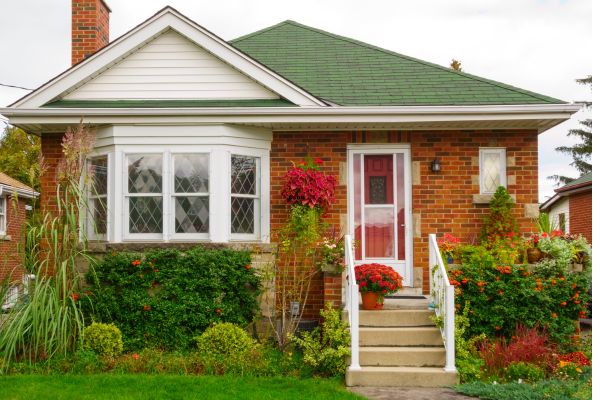
If you’re buying, look at the property as a small multi-unit home, not just a bungalow with extra space.

If you’re renting, ask practical day-to-day questions, not just about rent and timing.

Comfortable, affordable housing is a big deal. When you find a place that works for you, clear communication with everyone involved makes it that much easier to enjoy, and helps avoid disappointment with the experience.

And if you’d like to talk through a specific property in Hamilton, we’re always happy to help you look at it from every angle.


02.20.2026

Let’s Talk About the House That’s Still for Sale

Uncategorized

When a home doesn’t sell as quickly as planned, confidence starts to waver. Sellers feel frustrated and stuck. Buyers get suspicious and nervous.

Most of the time, the reason isn’t mysterious. It’s visible once you know where to look.

When a property takes longer than expected to sell, here’s what we actually look at.

1. What Did We Already Know Before Listing?

If it’s our listing, we go back to the preparation stage.

Before we ever hit the market, we’ve already discussed:

  • The basement that’s shown moisture
  • The kitchen or bathrooms that feel dated
  • The roof or furnace nearing the end of its life
  • The layout that won’t suit everyone
  • Any structural issues that will require real remediation

Nothing about those things or other similar issues surprises us later on.

If the traffic to the home slows down, we revisit the list. Is negative feedback lining up with one of those known friction points?

Occasionally, this explains the delayed sale.

2. Where Is It Positioned on Price?

This is always part of the review.

Buyers shop in ranges. They compare three or four properties at a time and decide where they feel comfortable stretching the budget.

If a home is sitting slightly above where it naturally fits, it ends up competing with stronger options. That’s when activity slows down.

We look carefully at:

  • Recent comparable sales
  • Current competition
  • How long similar homes are taking to sell
  • Whether buyers in that price range are active right now

Accurate pricing should reflect positioning in the current market.  An overpriced listing where emotion factored in often misses out on early qualified buyer traffic.

3. What’s Happening Around It?

From a buyer’s perspective, this is where most of the clues show up.

We get calls like this all the time:

“I see this one’s been on the market for a while. Do you know why?”

And that’s a fair question.

The first thing we check is what comparable homes are doing.

Are similar properties selling?
Are they moving faster?
Are they priced differently?
Are they updated in ways this one isn’t?

If similar homes are moving and this one isn’t, there’s usually a specific difference you can identify once you line them up side by side.

If nothing comparable is selling, that tells you something about buyer activity in that bracket.

4. What Does the Price History Say?

The listing timeline often tells its own story.

  • Price reductions
  • A re-list at a new number
  • A property that launched high and adjusted later

We look at how the seller is responding.

Are they adapting as the market gives feedback? Or are they holding firm despite slower movement?

That affects negotiation dynamics.  A seller who is willing to adapt may be more motivated than one who holds firm.

5. Is It Cosmetic, or Is It Structural?

This matters, especially for buyers.

Some issues are surface-level:

  • Paint
  • Flooring
  • Dated finishes

Others are permanent:

  • Backing onto commercial areas
  • Heavy traffic exposure
  • Zoning limitations or negative neighbourhood influences
  • Ongoing water problems

A home can sit because it needs work. That can be opportunity for one buyer and a pass for another.

But if the hesitation is tied to something that can’t be changed, the market tends to reflect that consistently.

The Common Thread

When a property lingers, it isn’t random.

We look at preparation.
We look at price.
We look at comparable movement.
We look at seller response.
We look at what can and can’t be fixed.

The market leaves signals.

Even in slower conditions, some homes receive multiple offers. Buyers who are ready still act. Sellers who position their property appropriately still move forward.

When a home isn’t selling, we don’t have to speculate. We examine the facts and decide what needs to shift.

01.28.2026

Can Your Rent Become a Mortgage? A Hamilton Cost Breakdown

Buyer Basics

Getting started on the path to homeownership often feels harder than it should.

For many renters, the hardest part of moving toward ownership is not the idea of buying a house. It’s figuring out where to start.

Beyond “saving up,” there’s a long list of unknowns. When do you talk to a lender? What questions actually matter? How do you know whether a price makes sense, or whether you’re stepping into the market at the wrong time and overpaying? And how do you move forward without feeling rushed or underprepared?

That uncertainty is often what keeps people stuck, even when they’re motivated and financially responsible.

Turning rent into something you can measure

We’ve tried to break down the math in a way that helps renters who want to transition into ownership see what their current housing costs could realistically support.

Not as a promise or a qualification. Just as a planning tool.

By translating rent into ownership numbers, it becomes easier to understand what goals make sense, what steps come first, and what might need more time.

Getting a few things out of the way

This article isn’t for everyone.

If you’re happy renting, value flexibility, or prefer to invest your money elsewhere, that’s a completely valid lifestyle choice. Renting works well for many people, and there’s no universal rule that says owning is better.

That’s not the conversation here.

This is for people who want to own a home someday and feel overwhelmed by how far away that goal can seem. It’s for renters who are trying to understand what their current housing cost actually translates into, and what steps might move them closer to ownership over time.

There’s no attempt here to debate renting versus owning, or to convince anyone they should buy. The goal is simply to make the numbers clearer.

Surveys consistently show that this goal is still very common. One study found that 84 percent of Millennials and Gen Z believe owning a home is a worthwhile investment, and about 54 percent of current renters plan to buy within the next five years.

If ownership is the goal, concrete numbers help.

The down payment comes first

For most would-be buyers, the down payment is the biggest hurdle.

With the cost of living where it is, saving extra money can feel unrealistic. Some people build a down payment slowly through savings. Others use RRSPs, inheritances, or gifts from family. There’s no single right source. What matters is having some amount set aside.

In Canada, five percent is the minimum down payment required, but larger down payments improve affordability and flexibility. If you don’t yet have funds earmarked for a down payment, that’s the first goal on the road to ownership.

At this stage, the focus should be simple and realistic:

  • Build a budget that reflects your actual life
  • Set a savings target that feels achievable, not punishing
  • Treat the down payment as a medium-term plan, not an overnight leap

Without this step, everything else stays theoretical.

Talking to a lender clarifies the picture

Once there is a down payment fund in place, the next step is talking to a lender.

This is often delayed longer than it needs to be. A conversation does not mean committing to a purchase. It simply means finding out what you could be approved for and whether that price range aligns with what’s actually available in the market.

That clarity is valuable. Some people discover they are comfortable with the options at that level. Others realize they’d rather wait, save more, or adjust expectations.

Approval is information, not pressure.

Using rent as a reference point

If a renter qualifies for an amount similar to what they are already spending on rent, the chart below helps translate that monthly budget into ownership.

It shows how a rent payment might look if it were applied to a mortgage, while also accounting for property taxes and home insurance. Utilities are intentionally excluded, since renters typically pay those already.

These numbers are estimates. They are meant to help people visualize the relationship between rent, down payment, and purchase price. They are not exact quotes or guarantees.

The chart is best read as a range, a reference point.


What happens over time

Rent rarely stays flat. Even modest increases add up over time.

If rent starts at $2,500 per month and rises by 2 percent each year, the change can feel small at first. In year two, rent increases to about $2,550. By year three, it’s roughly $2,600. By year four, it’s closer to $2,650. By year five, monthly rent is around $2,700.

Usually, none of those jumps feel dramatic on their own. But over a period five years, they add up.

Across that five-year stretch, total rent paid would be just over $156,000. That’s the cost of housing during that time, with no portion building equity.

Ownership works differently.

While mortgage payments include interest, a portion of each payment goes toward principal. In a typical middle-of-the-road ownership scenario, that principal repayment adds up quietly in the background. Over a five-year period, it’s common for tens of thousands of dollars of equity to be built simply through regular payments, even without assuming any increase in home value.

This comparison isn’t for the sake of predicting markets or trying to time things perfectly. It’s an exercise in understanding how time affects each housing choice.

Rent increases gradually raise future housing costs. Ownership tends to stabilize payments while slowly shifting more of each payment toward equity.

When renters can see both sides laid out clearly, decisions feel less abstract and more intentional.

Many potential buyers wisely waited out the market at its height and just kept saving toward their eventual purchase. If you’re still renting, but would like to own your own home, your opportunity may have arrived! The market is definitely yours to explore in 2026.

What Your Rent Could Support Toward Ownership (Estimated)

Monthly Rent vs Estimated Purchase Price

Monthly RentDown PaymentMonthly Mortgage Budget*Approx Mortgage SizeApprox Purchase Price
$2,50010%$2,017~$384,000~$410,000–$420,000
15%$2,017~$384,000~$445,000–$455,000
20%$2,017~$384,000~$480,000
$2,75010%$2,267~$432,000~$460,000–$470,000
15%$2,267~$432,000~$490,000–$500,000
20%$2,267~$432,000~$540,000
$3,00010%$2,517~$480,000~$510,000–$520,000
15%$2,517~$480,000~$545,000–$555,000
20%$2,517~$480,000~$600,000

*Monthly mortgage budget = rent minus estimated property taxes and home insurance.

If you’d like to talk to a mortgage professional without any pressure at all, let us know. We work with some excellent partners who can give you a clear picture of your options and help you talk through the next steps on the road to homeownership.

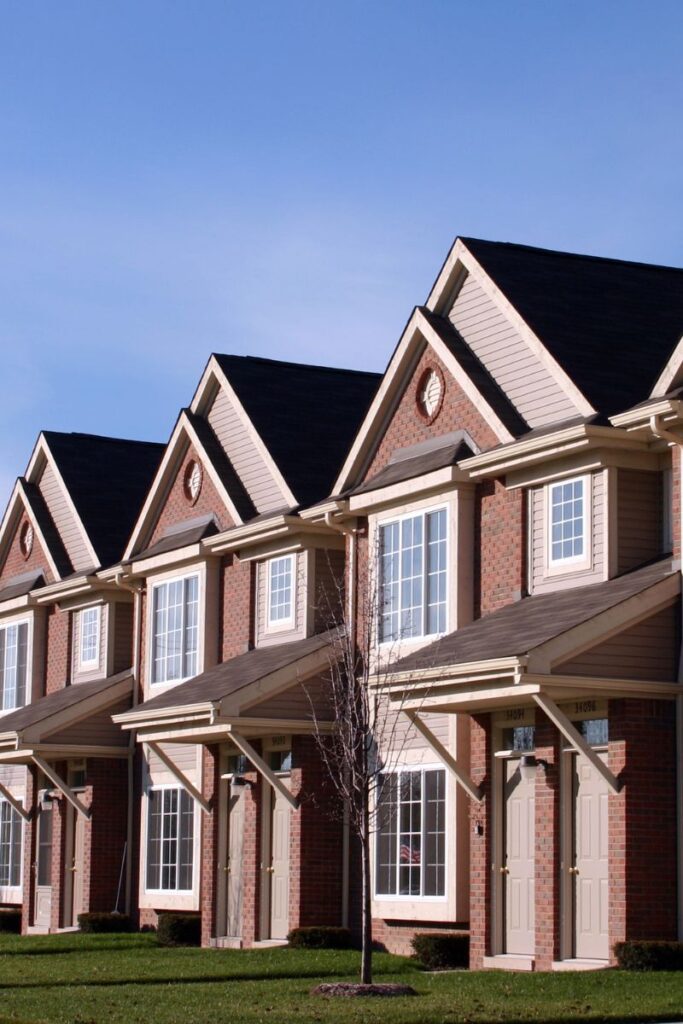
Townhomes can be freehold or condo depending on ownership type
01.23.2026

Hamilton Myths: Freehold Isn’t Just Detached (vs Condo Explained)

Buyer Basics

Freehold is one of those real estate terms that gets used a lot and explained very little.

A lot of buyers in Hamilton hear the word and picture a detached home. A house that’s free on both sides with no shared walls. No neighbours touching your place.

The word freehold kind of invites that mental image. Real estate just uses the term differently.

This is freehold – but not because it’s detached.

So… what is freehold, anyway?

In real estate, freehold describes how you own a property, not how it looks from the street.

If a home is freehold, you own the building, the land it sits on, and the responsibility that comes with both. There is no shared ownership of the structure and no condo corporation involved.

That ownership model is the defining feature.

What “freehold” actually refers to

Because freehold is about ownership, not structure, very different types of homes can fall under the same category.

Detached homes, semis, and townhouses can all be freehold. The building style does not determine the ownership type. What matters is whether the land and structure are owned privately or shared through a corporation.

Once that distinction is clear, the rest starts to make more sense.

Yes, townhouses can be freehold

Attached homes often get lumped together with condos, but that assumption does not always hold up.

A freehold townhouse means you share walls, but not ownership. You own your unit and the land beneath it, and you are responsible for both interior and exterior maintenance.

There is no board approving changes or enforcing design rules, which is a big part of the appeal for many buyers. That independence, however, comes with more hands-on responsibility and a greater reliance on cooperation with neighbours when shared elements are involved.

Condo townhouses vs freehold townhouses

From the street, these homes can look nearly identical. The difference is in how ownership and responsibility are structured.

A condo townhouse includes shared ownership of land and exterior elements, along with monthly fees and rules managed by a condo corporation.
A freehold townhouse does not. There are no mandatory fees and no governing body, but maintenance and coordination fall to the individual owners.

Neither option is better by default. They simply suit different priorities.

Why condos exist

Condominium ownership exists because some buildings require shared responsibility to function properly.

Apartment-style properties share elements that no single owner could reasonably maintain alone, including:

  • lobbies and hallways
  • stairwells and elevators
  • roofs and exterior walls
  • parking garages or shared lots
  • other amenities (clubhouses, swimming pools, saunas, workout rooms, even entire golf courses!)
Condo fees pay for shared amenities

In a condo, you own your private unit and share ownership of those common elements. A condo corporation manages maintenance, insurance, and long-term planning for the shared spaces. Condo fees are how those costs are covered.

The middle ground: freehold with a road fee

In many newer developments around Hamilton, there is a hybrid option that still qualifies as freehold.

You may see this referred to as a road fee or parcel of tied land (POTL).

With this setup:

  • you own your home and land as freehold
  • a small group of owners shares responsibility for a private road or lane

Instead of condo fees, there is usually a smaller monthly or annual payment that covers things like:

  • snow removal
  • road maintenance or paving
  • sometimes lighting or basic landscaping

There is no condo board overseeing day-to-day decisions. It is simply a cost-sharing arrangement for infrastructure everyone uses.

Purchase price vs monthly reality

Condos often have a lower purchase price than comparable freehold homes. That can make them look more affordable at first glance.

When lenders assess affordability, they look at the full monthly picture, including:

  • condo fees or road fees
  • property taxes
  • heating and other fixed housing costs

A lower purchase price does not always translate into easier qualification. Understanding ownership type early helps buyers compare options properly and avoid surprises during financing.

The takeaway

Freehold is not about how close your neighbours are.

It shapes who owns what, who pays for what, and how decisions get made. Once that distinction is clear, listings become easier to interpret and comparisons make more sense.

01.9.2026

How Insured Mortgages Work in Canada

Uncategorized

***This article replaces a piece we published during the COVID years when CMHC temporarily tightened their rules and some buyers were afraid they had lost purchasing power. Current rules, as of 2026, are back to business as usual.

If you’re buying a home with less than 20 percent down, you’re entering the world of insured mortgages.
Most people know the name Canada Mortgage and Housing Corporation, often just called CMHC. Fewer realize there are two other insurers doing the same job behind the scenes.

Understanding how these insurers work, and how they differ, can explain why mortgage rules sometimes feel inconsistent or suddenly change direction.

Who insures mortgages in Canada?

Canada has three mortgage insurers for high-ratio mortgages (those with under 20 percent down):

From a buyer’s point of view, the mortgage you get from your bank can look identical regardless of which insurer is backing it. But structurally, these organizations are not the same.

Why CMHC is different

CMHC is a Crown corporation. That matters.

As a Crown corporation, CMHC:

  • Is owned by the federal government
  • Has a public policy mandate tied to housing stability
  • Ultimately exposes taxpayers to risk when insured mortgages default

Sagen and Canada Guaranty, by contrast, are private mortgage insurers. They’re regulated, but they operate as private businesses, managing risk for shareholders rather than taxpayers.

This difference helps explain why CMHC has, at times, taken a more conservative or publicly visible stance, particularly during periods of economic uncertainty.

What happened in 2020 (and why it caused confusion)

In 2020, at the height of pandemic uncertainty, CMHC tightened its underwriting rules. Those changes included:

At the time, Sagen and Canada Guaranty did not follow CMHC’s lead.

The result was confusing for buyers. One insurer might decline a file that another would accept, even though the borrower, the home, and the lender were the same.

Importantly, many of CMHC’s 2020 changes were temporary and were rolled back in 2021. But the episode left a lasting impression that “CMHC rules are different,” which still comes up in conversations today.

How insured mortgage rules actually work today (2026)

There are three layers involved in any insured mortgage approval:

1. Federal rules

These apply to all insurers and set the broad framework. Examples include:

2. Insurer guidelines

Each insurer sets its own risk policies within those federal rules. This is where differences can appear, particularly around:

3. Lender overlays

Banks and credit unions can add their own internal rules on top of insurer requirements, which is why two lenders can give different answers on the same file.

Understanding this layered system helps explain why a “no” from one lender isn’t always the end of the road.

The current insured mortgage landscape (high level)

As of 2026, insured mortgages generally reflect:

  • A higher price cap than in the past, allowing insured mortgages on more expensive homes
  • More flexibility than during the brief tightening period in 2020 and 2021
  • Close attention to whether monthly payments are affordable and whether borrowers have a history of paying debts on time
  • Careful review of where the down payment comes from, rather than outright bans

The rules are more stable now than they were during the pandemic years, but they’re still designed to limit risk when buyers are stretching close to the maximum.

What this means for buyers

A few practical takeaways:

  • CMHC being government-owned doesn’t make it better or worse than the others. It just explains why it tends to be more cautious at times.
  • If one insurer says no, it doesn’t automatically mean you can’t buy a home.
  • The highest amount you’re approved for is rarely the number that leads to the best quality of life.

Most buyers who feel good about their decision focus less on buying at the very top of the budget and more on choosing a purchase that still feels comfortable months and years down the road.


Where this leaves you

This stuff isn’t exciting, but it matters because it can be the difference between buying a home now and facing longer delays than you planned. Understanding how mortgage insurance actually works can save you a lot of confusion and help you focus on options that truly fit.

For a bit more about the approval process, click here.

12.30.2025

Why Is This House Still for Sale If It’s Already Sold?

Uncategorized

Buying or selling a home often comes with moments that feel contradictory. You’re told one thing, then you see another.
This series looks at those moments and explains what’s happening behind the scenes, so even when the process still feels odd, you at least know why.

Why is this house still for sale if it already sold?

If you’ve ever been told a house was conditionally sold, or worse, lost out to a competing offer, you might recognize what happens next.

You open Realtor.ca.
There it is.
Big letters.
FOR SALE.

At that point, it’s only natural to think: If it’s for sale, I want to buy it.

Honestly, people who work in real estate sometimes forget how strange this looks from the outside. The language we use makes sense to us. To everyone else, it feels illogical and super annoying.

In the interest of trying to make it make sense, here’s what’s going on.

What “conditionally sold” actually means

In Ontario, most accepted offers come with conditions. The most common are a home inspection and financing.

When a seller accepts an offer with those conditions, the home is considered conditionally sold. The seller has agreed to sell the property and has agreed to give the buyer time to do their due diligence. That usually means:

  • Completing a home inspection
  • Allowing the property to be reviewed and approved by the buyer’s mortgage lender

During this period (usually about a week), the seller typically cannot accept another offer. They’ve already committed to the first buyer and agreed to give them that time to confirm everything checks out.

Why showings often continue anyway

Even though the seller can’t accept another offer during a standard conditional period, they’re usually allowed to continue showings.

That’s a backup plan, though, not a loophole so they can keep trying to get a better deal.

If the buyer fails to satisfy their conditions and the deal falls apart, the seller doesn’t want to start from scratch. Keeping the home visible and accessible helps avoid losing momentum.

The one situation where another offer can come into play

There is one common exception, and this is where things get more complicated.

If the accepted offer includes a condition on the sale of the buyer’s own property, the seller may include what’s called an escape clause.

In that situation:

  • The seller can continue to show the home
  • Another buyer is allowed to submit an offer
  • The first buyer is given first right of refusal

If that happens, the first buyer is given a set amount of time, usually between 24 and 72 hours, to either remove all of their conditions and firm up the deal, or walk away and allow the seller to accept the new offer.

This is often referred to as being “bumped.” It’s not rare, per se, but it’s very specific, and it only applies when that sale-of-property condition exists.

Why Realtor.ca still shows the home as “for sale”

Here’s the key piece that causes most of the confusion.

Realtor.ca does not show conditional sales. A listing only changes status once a deal becomes firm.

So even when:

  • An offer has been accepted
  • The seller is no longer free to accept new offers
  • Everyone involved knows a deal is in progress

The listing still appears as active to the public until conditions are removed.

That’s why you keep seeing it.

Why the sign stays up

Same reason.

Until the deal is firm, the home is technically still on the market. Taking the sign down early would actually create confusion if the deal didn’t close and the property needed to continue being shown.

What this all adds up to

From the consumer’s point of view, it feels like two realities are happening at once. You’re being told the house is spoken for, but the public systems still say it’s available.

That disconnect is what creates the frustration.

These are the reasons a property continues to show up online after an offer is accepted. And yes, we do wish the consumer-facing websites did a better job of clearly indicating when a home is conditionally sold. It would save a lot of confusion.

Until that changes, the best thing buyers can do is ask questions and get clarity on where a deal actually stands.

From time to time, the industry makes changes with the goal of improving the consumer’s experience. We hope that we, as professionals, can influence our decision-making bodies on this particular point of frustration soon to make things a little clearer! Until then, though, if you have questions about frustrations of your own, please let us know. If we can clear something up to make things a little less annoying, we’d be happy to do that.

12.19.2025

☕ When Something Big Goes Wrong Before Closing…

Buyer Basics

Buying or selling a home is an exciting milestone, but sometimes real life throws in a surprise or two along the way. If you’ve ever wondered what happens if something goes wrong before closing a house sale, you’re not alone. From unexpected damage and financing issues to title problems or sudden life changes, even firm deals can face bumps before the keys change hands. The good news is that every situation has a process, and the right team can help you get through it calmly and confidently.

If an issue comes up while conditions are still in place, like during financing or inspection, it’s usually just a disappointment. Once the deal is firm, though, the agreement is binding and everyone has to work together to find a solution.

Here’s what that can look like, based on a few real experiences.


🔥 When the Property Is Damaged (Fire, Flood, or Burst Pipes)

One of our listings sat vacant while waiting for closing when a pipe burst and no one noticed for days. By the time it was discovered, the damage was substantial. Thankfully, the buyer’s agent arranged a final walk-through and spotted the mess before closing. Our seller acted quickly, got the insurance company involved, and started repairs right away. Both parties agreed to delay closing until everything was fixed, and it all worked out in the end.

In another case, a vacant property was robbed before closing. Thieves had taken copper from inside the walls. Once again, buyer and seller cooperated, insurance covered the loss, and everyone stayed focused on getting to the finish line together.

When a home is sold, the seller is responsible for maintaining it in the same condition it was in when the offer was accepted. If something happens, insurance and good communication are key to keeping the deal on track.


⚰️ If the Seller Passes Away Before Closing

It’s rare, but it can happen. When a seller dies before closing, their estate steps in through the executor to finalize the sale. That process can take time, especially if probate hasn’t been completed.

If the delay leaves the buyer without a place to go, they may have some options. Depending on the agreement and legal advice, they might be able to claim expenses or seek temporary accommodation at the seller’s expense. Most of the time, everyone involved works together to find a fair solution while the legal process catches up.


💔 If the Buyer Passes Away Before Closing

When a buyer passes away, their estate becomes responsible for the agreement. The challenge is that most lenders will not advance funds to an estate. This is why anyone who has worked with us knows we always recommend getting a simple term life insurance policy in the amount of the mortgage needed to close. It is usually very affordable, and unlike mortgage insurance, the policy value does not shrink as your mortgage balance goes down.


🧾 When Title Issues Appear Late in the Game

Sometimes lawyers uncover surprises during the title search, like unpaid liens, shared driveway agreements, or ownership discrepancies.

One of our clients had a fairly common name, and during the title search, the lawyer found a lien that had been meant for someone else with the same name who was behind on child support. The problem was that our seller was in his seventies, had been married to the same wife for fifty years, and lived next door to their daughter, who clearly had not been deprived of her dad’s support! We had to make sure that lien was removed before the sale could close. That time it was resolved easily, but it shows that truth can be stranger than fiction.

These issues have to be cleared before closing, and title insurance can offer protection for future claims. Delays can happen, but deals rarely fall apart entirely because of this.


💸 When Financing Falls Apart After the Deal Is Firm

If a buyer’s lender changes its mind at the last minute, perhaps because of a job loss or a credit change, the buyer is still legally bound by the contract. Sometimes the closing can be extended while they secure new financing. If not, the seller may have the right to keep the deposit and re-list the property.

Working with a mortgage broker can make all the difference here. A good broker keeps in close contact throughout the process, understands your personal and work situation, and can help you anticipate any changes that might affect your approval. If a job change is likely, your broker can steer you toward lenders who honour their mortgage commitments regardless of minor changes, or even help you set up a contingency plan in advance instead of scrambling at the last minute.

It’s also very important not to take on any new debt before closing. That means no new car leases, no new credit cards, and no furniture financing. Keep your financial obligations exactly as they were when you were approved so you don’t risk losing the loan you were promised.


🏠 When the Appraisal Comes In Low

If an appraisal doesn’t match the agreed purchase price, lenders may only fund based on the lower appraised value. The buyer might need to increase their down payment, renegotiate the price, or work with their lender to make up the difference. When the deal is still conditional, this is often the end of it, which is why we always try to get the appraisal in before removing the financing condition. But once it’s firm, it becomes a team effort to bridge the gap.


☕ The Bottom Line

Even when surprises happen, most real estate deals can be worked out with patience and the right support. Whether you’re buying or selling, having an experienced team in your corner makes all the difference. We’re here to support you through every step, answer questions, and make sure your next move stays on track from offer to closing day.

11.21.2025

Understanding Monthly Home Value Reports

Homeowners

Most homeowners like to keep an eye on how their property value is evolving. It’s part curiosity and part planning, especially when life changes feel closer than they used to. Nothing replaces a full comparative market analysis, but having a simple way to track market movement month to month can give you helpful context.

That’s why we use the Home Price Index (HPI) as the foundation of our monthly Home Value Reports. The HPI has been tracking trends across Canada for many years. It looks at how typical homes behave in real market conditions and provides a stable measure of long-term value shifts. It’s less reactive to unusual or one-off sales and more reflective of broader patterns over time.If you’re already on our mailing list, you may receive a Home Value Report each month. This blog explains how those numbers come together, what they can tell you, and when they might need a closer look.

Quick Summary

⭐ A monthly snapshot of how your home’s value is trending
⭐ Based on long-standing HPI data that tracks typical homes in the region
⭐ Renovations, neighbourhood changes, and unique features affect your true value
⭐ Homes purchased before 2012 may need an adjusted starting point
⭐ We can update your baseline anytime if something changes

What Your Report Is Based On 🧭

Your estimate comes from the Home Price Index. The HPI was created to reflect how actual buyers and sellers behave across local markets. Instead of reacting sharply to one unusual sale, it measures the collective movement of similar homes over time. This helps it remain steady and dependable, even in unpredictable markets.

Your report includes:
• Your current estimated value
•  A high-to-low range
• Month-over-month change
• Long-term gain or loss
• A trend line that shows the bigger picture

It offers a quick equity check without needing to comb through stats or listings.

Why Your Personal Value Might Differ 🏡✨

The HPI reflects broad patterns, not every home’s individual story. Your real value may sit higher or lower when:

• You have completed renovations or upgrades
• Your neighbourhood is trending differently from the region
• Your home has uncommon features or layout
• You purchased in a unique market cycle
• Your original price was atypical
• You bought prior to 2012, the earliest model year for our area

These differences are normal and simply reflect what makes your home unique.

A Real-Life Example 📞🙂

A past client finished a series of upgrades and later ordered a professional appraisal. The appraised value came in about $100,000 above the HPI estimate. We updated their baseline so future reports would track more accurately. The system works well, but it sometimes needs a manual correction when a home has changed significantly.

How to Read the High and Low Values 📈📉

The value range in your report provides helpful context for different market conditions.

In a softer market

The low end of the range often comes closest to real value because price adjustments take time to show up in the model.

In a rising market

The current or higher end of the range tends to be more accurate, since real-time prices can move ahead of the model.

In any market

The range also reflects:
• Renovations
• Deferred maintenance
• Curb appeal
• Funclayout and functionality
• Age
• Overall condition

This gives you a realistic bracket rather than a single rigid number.

When Your Report Might Need an Adjustment 🔧🏠

Your baseline may need an update if you have:

• Added living space
• Completed renovations or major system upgrades
• Noticed your neighbourhood behaving differently
• Owned your home since before 2012 and know the starting point feels off

Our goal is to keep your report aligned with your real equity as your home evolves.

A Note About Listing Prices 📋

Every report includes this reminder:

“The information in this report is not a suggested listing price or expected sold price for your home. Please contact me for a more detailed market evaluation.”

If selling is on your mind, a full comparative market analysis is essential. The report is a starting point; recent sales and property-specific details fill out the full picture.


Not Receiving the Report Yet? 📬

If you’d like your own monthly Home Value Report, let us know. We subscribe to this system so clients can stay informed without searching through market data. We’re always happy to add you.