Freehold is one of those real estate terms that gets used a lot and explained very little.
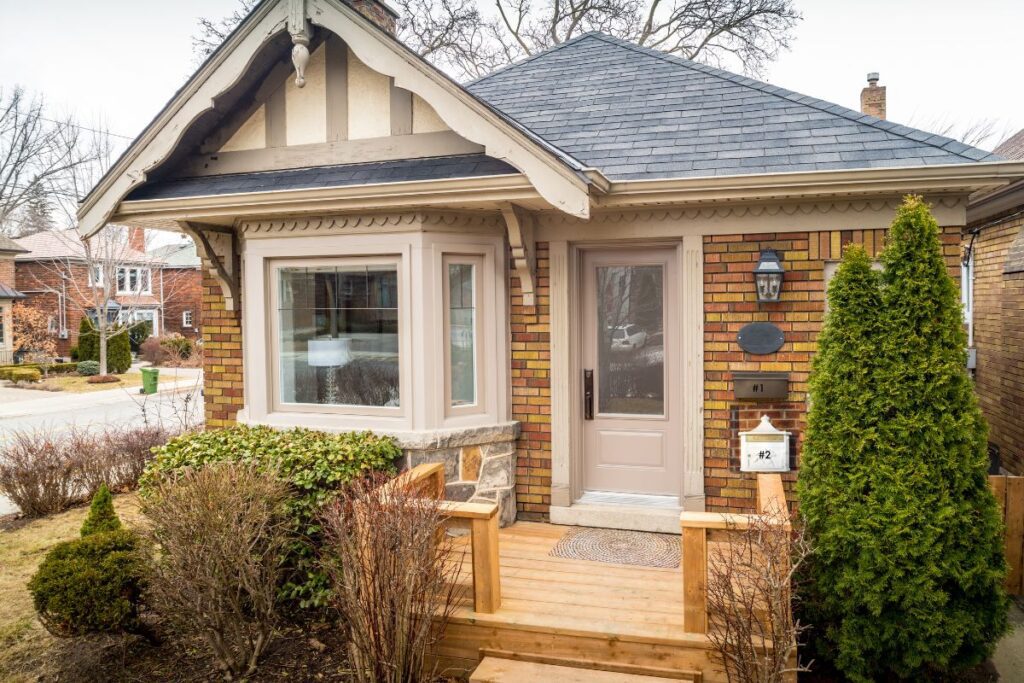
A lot of buyers in Hamilton hear the word and picture a detached home. A house that’s free on both sides with no shared walls. No neighbours touching your place.
The word freehold kind of invites that mental image. Real estate just uses the term differently.
So… what is freehold, anyway?
In real estate, freehold describes how you own a property, not how it looks from the street.
If a home is freehold, you own the building, the land it sits on, and the responsibility that comes with both. There is no shared ownership of the structure and no condo corporation involved.
That ownership model is the defining feature.
What “freehold” actually refers to
Because freehold is about ownership, not structure, very different types of homes can fall under the same category.
Detached homes, semis, and townhouses can all be freehold. The building style does not determine the ownership type. What matters is whether the land and structure are owned privately or shared through a corporation.
Once that distinction is clear, the rest starts to make more sense.
Yes, townhouses can be freehold
Attached homes often get lumped together with condos, but that assumption does not always hold up.
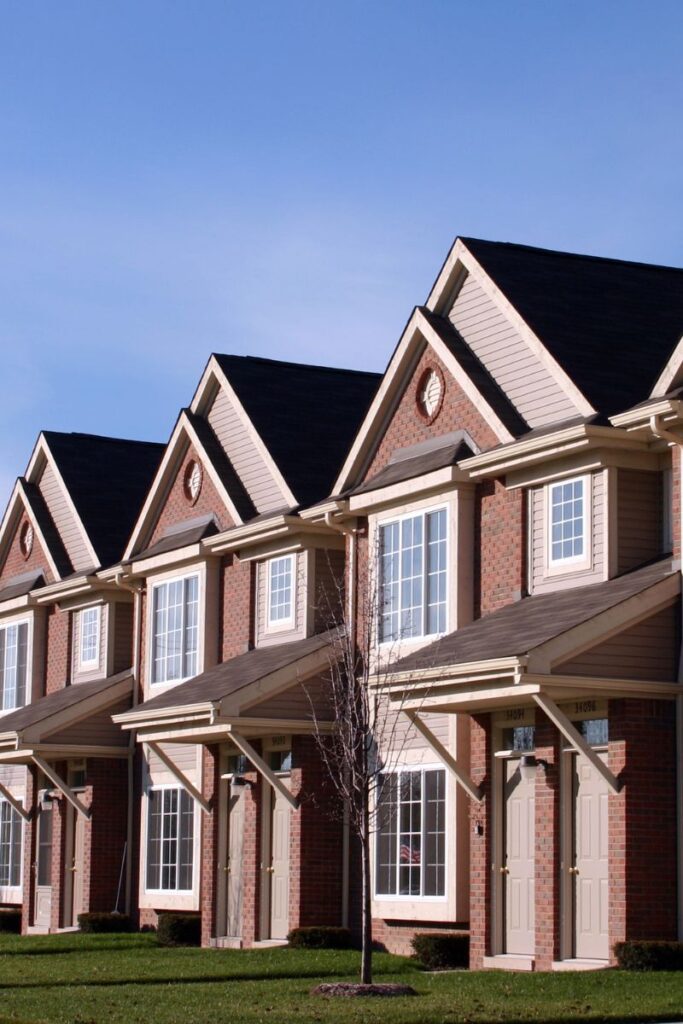
A freehold townhouse means you share walls, but not ownership. You own your unit and the land beneath it, and you are responsible for both interior and exterior maintenance.
There is no board approving changes or enforcing design rules, which is a big part of the appeal for many buyers. That independence, however, comes with more hands-on responsibility and a greater reliance on cooperation with neighbours when shared elements are involved.
Condo townhouses vs freehold townhouses
From the street, these homes can look nearly identical. The difference is in how ownership and responsibility are structured.
A condo townhouse includes shared ownership of land and exterior elements, along with monthly fees and rules managed by a condo corporation.
A freehold townhouse does not. There are no mandatory fees and no governing body, but maintenance and coordination fall to the individual owners.
Neither option is better by default. They simply suit different priorities.
Why condos exist
Condominium ownership exists because some buildings require shared responsibility to function properly.
Apartment-style properties share elements that no single owner could reasonably maintain alone, including:
- lobbies and hallways
- stairwells and elevators
- roofs and exterior walls
- parking garages or shared lots
- other amenities (clubhouses, swimming pools, saunas, workout rooms, even entire golf courses!)
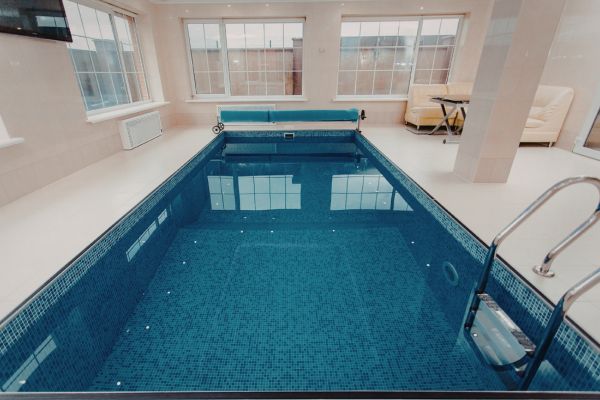
In a condo, you own your private unit and share ownership of those common elements. A condo corporation manages maintenance, insurance, and long-term planning for the shared spaces. Condo fees are how those costs are covered.
The middle ground: freehold with a road fee
In many newer developments around Hamilton, there is a hybrid option that still qualifies as freehold.
You may see this referred to as a road fee or parcel of tied land (POTL).
With this setup:
- you own your home and land as freehold
- a small group of owners shares responsibility for a private road or lane
Instead of condo fees, there is usually a smaller monthly or annual payment that covers things like:
- snow removal
- road maintenance or paving
- sometimes lighting or basic landscaping
There is no condo board overseeing day-to-day decisions. It is simply a cost-sharing arrangement for infrastructure everyone uses.
Purchase price vs monthly reality
Condos often have a lower purchase price than comparable freehold homes. That can make them look more affordable at first glance.
When lenders assess affordability, they look at the full monthly picture, including:
- condo fees or road fees
- property taxes
- heating and other fixed housing costs
A lower purchase price does not always translate into easier qualification. Understanding ownership type early helps buyers compare options properly and avoid surprises during financing.
The takeaway
Freehold is not about how close your neighbours are.
It shapes who owns what, who pays for what, and how decisions get made. Once that distinction is clear, listings become easier to interpret and comparisons make more sense.