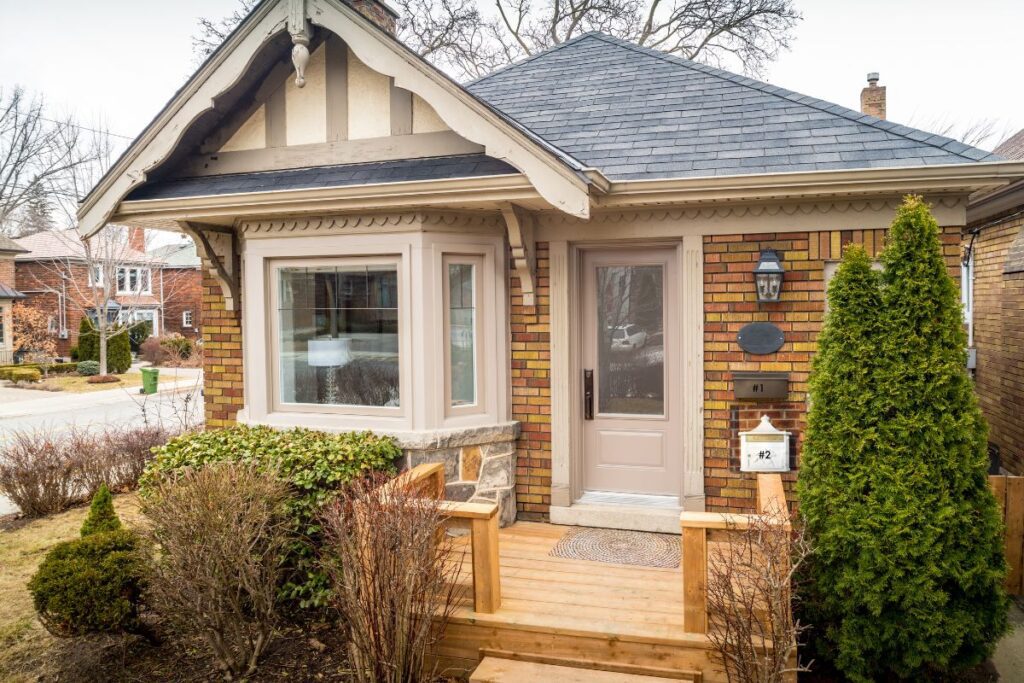
In the late 1990s, my family moved from one city to another. Our children were young, and coordinating the move was stressful in the way only a family move can be, with Murphy’s Law making its appearance here and there along the way. We closed on a Friday and hoped to spend the weekend painting and getting organized.
Due to an oversight by the real estate lawyer we were using, the transaction didn’t close that day. We were left high and dry, couch surfing with our two children until Monday, with all of our belongings sitting on a moving truck well past its return date. To make matters worse, the seller, a widow, was experiencing intense emotions around leaving her home. We were technically in breach of contract because we couldn’t close on the date promised, and we didn’t know whether she would use the situation to back out of the deal.
It’s not an experience I’d wish on anyone.
Why your real estate lawyer matters
Every real estate transaction has people working quietly in the background whose role is critical to the outcome. A good real estate lawyer is one of them.
Real estate lawyers draft, review, and interpret clauses designed to protect buyers and sellers when unexpected issues arise. Delays can come from financing, registration systems, title issues, or other factors entirely outside the control of the parties. When those problems occur, the quality of the legal work matters.
And this is where it’s important to be very clear.
This isn’t optional. You can’t close without a lawyer in Ontario
In Ontario, transferring ownership of real property isn’t a do-it-yourself process.
Only a lawyer licensed by the Law Society of Ontario can register a transfer of title and mortgage through the province’s electronic land registration system. This isn’t a preference, a tradition, or a best practice. It’s the law.
Under no circumstances can a buyer or seller register title themselves.
If this comes as a surprise, you’re not alone. Many clients are genuinely shocked to learn there’s no workaround. There’s simply no scenario in which a real estate transaction in Ontario closes without a lawyer handling the registration.
In fact, you can’t share a lawyer either
Not only do you have to hire a lawyer, you have to hire your own lawyer.
In Ontario, buyers and sellers are generally required to have separate legal representation. Acting for both sides in the same transaction isn’t allowed except in very limited, low-risk circumstances governed by the Rules of Professional Conduct enforced by the Law Society of Ontario.
This requirement exists to protect both parties. A lawyer can’t properly advocate for two clients whose interests may conflict, even when everyone involved believes the transaction is straightforward.
*Subject to limited exceptions under the Law Society of Ontario’s Rules of Professional Conduct.
What Your Lawyer Does for You
A real estate lawyer’s role goes far beyond processing paperwork.
They review and interpret your Agreement of Purchase and Sale, examine title, surveys, and registered reference plans, and review condominium status certificates where applicable. They confirm that property taxes are up to date, identify any registered claims or encumbrances, and ensure you’ll be able to take clear title to the property at the end of the transaction.
In the case of new construction, an experienced real estate lawyer helps you navigate what can be an overwhelming volume of documentation. Builder agreements are often lengthy and detailed, and having someone who understands how those documents work in practice can make a meaningful difference.
From time to time, issues arise before closing that require negotiation or mediation. A major repair might become necessary. A roof or basement could develop a leak. The parties may disagree about responsibility or timing. In those moments, the skill and judgment of the lawyers involved matters.
In more extreme situations, such as a fire or other serious damage before closing, the Agreement of Purchase and Sale sets out the parties’ rights. Your lawyer helps you understand what those rights mean and which options make sense for your situation.
Most real estate transactions in Ontario are handled professionally and close smoothly. Still, for what’s likely the largest financial transaction you’ll ever make, it makes sense to protect yourself by hiring someone whose job is to ensure yours is one of the smooth ones.
Communication Isn’t a Bonus. It’s Essential
Buyers should insist on meeting their lawyer personally at least once. That meeting allows the lawyer to understand your plans for the property and flag potential issues early.
For example, if you intend to add a pool or an addition, your lawyer will know to look carefully for easements or restrictions that could make that impossible.
According to LAWPRO, the professional liability insurer for Ontario lawyers, the two most common causes of malpractice claims are:
-
Breakdowns in lawyer–client communication
-
Inadequate discovery of facts or insufficient investigation
Both issues are preventable, and both tend to show up more often in high-volume practices where clients rarely speak directly with the lawyer handling their file.
Choosing a law office that prioritizes direct communication helps reduce these risks.
A Final Word on Cost
The old adage still holds. You often get what you pay for.
When choosing a real estate lawyer, compare prices, but also ask for referrals and take the time to speak with more than one firm. For what’s likely the largest transaction of your life, careful legal work, clear communication, and experienced judgment are worth far more than the savings from the lowest quote.
On the Monday and Tuesday after that harrowing weekend, we spent a lot of time driving back and forth between the two cities trying to untangle the situation. We also spent a lot of time on the phone with the lawyer whose oversight had caused the delay, and with another lawyer who helped get the transaction closed so we could finally move in.
Updated December 2025