Call Us Now | Email Us Now
08.20.2020

Do These 6 Things to Sell Your Condo Fast!

Latest News

Whether you’ve built up enough equity to up-size to freehold living, or you’re moving to a bigger, better condo somewhere else – you’ve decided that now is the time to list and sell your apartment.  How exciting!

Many of the items on your to-do list are the same as they would be if you were selling a detached home.  When selling a condo, though, there are a few unique elements that require some preparation and forethought.

Here is a checklist to help you walk away with the highest profit on your condo sale:

1. Figure out the right listing price

In a building with similar units, this should be a fairly easy process.  If any other units are currently available for sale, make an appointment to go through them with your realtor so that you can see what your potential buyers will see.  Once you have had a chance to scope out the competition, sit down with your realtor, and take an objective look at your place to make a list of the pros and cons in comparison with the others.  In addition to the state of the inside of your unit, this might include views, exposure, parking, lockers, balconies, proximity to amenities inside the building, and what floor you’re on. (As a rule, all else being equal, buyers will pay more for a unit on a higher floor.)  Use this information to come up with a pricing strategy that will lead to a quick, profitable sale for you.

If yours is the only unit for sale – even better!  Look through some recent sales and do the exercise based on pictures and written descriptions.

2. Clean and declutter

Any property will show better [and sell for more] if it is deep-cleaned and cleared of unnecessary items.  Since condos are typically smaller than other types of homes, the importance of this step cannot be overstated.  Remove any off-season, over-sized, or unnecessary items to storage, whether that be to a locker space or even off-site, if necessary.  (Don’t hide the extra clutter in your closets – buyers will open them to peek inside.) Make it feel as spacious, open, and inviting as possible to appeal to buyers and encourage high offers.

3. Perform minor repairs and finish projects

Home owners of all stripes are notorious for learning to ignore minor annoyances we don’t want to deal with.  We leave one section of a wall unpainted, we tune out the dripping sound from a faucet, we learn exactly the right amount of pressure required to finesse a sticky door lock or handle to get in and out.

When selling, though, it’s worth the time to finish those little jobs and repair those seemingly unimportant things.  Buyers won’t know the trick to open a fussy door lock, and they will notice every crack, drip, and uneven cupboard door.  Worse, they will assume a high cost to do the little fixes and offer you less money – if they offer at all.

If your eventual buyer has a home inspection, all the deferred maintenance will be noted in the inspector’s report, too.  This could scare them into believing that the home has not been well cared-for and cost you the sale.

You will likely spend more time than money doing a few modest repairs.  We guarantee you, though, it will be time well-spent!

4. Stage your condo

We often remind sellers that the way we live (comfortably) in our homes is very different from the way we show it to sell.  Proof of this can be found at any model home…no one lives that way!

With that in mind, try to see your space through the eyes of a buyer who hasn’t seen it before.  Could the furniture be pared down, placed differently, or replaced with something that will help them see themselves living there?

Give special attention to the amount of light you allow into the apartment. If it’s practical, consider removing heavy drapes or blinds and cleaning the windows to bathe the space in sunbeams.  Here are some ideas for eye-catching window-treatments that could make a real difference!

Staging can be as simple as reorganizing what you already have, or as thorough as moving out and renting items chosen specifically for showing purposes.  Your circumstances and budget will determine how you handle this step.  Ask your agent if they provide a consultation with a professional stager who can give you some tips and tricks of the trade to use when doing it yourself, or who can arrange a full “costume change” for your space.

Statistics show that staged homes sell a LOT faster than unstaged ones.

5. Get your condo documents together

Common areas and the financial management of the building or complex are as much an element of the sale as your unit in any condo transaction.

Buyers will want to know the maintenance history of the shared elements: elevators, parking garages, flat roofs, windows and doors, swimming pools and other amenities, etc. As a wise seller, you do well to do some research and make this information available to assure potential buyers that the condominium has been well-maintained.

The condo board should be able to provide a timeline of recent repairs, and can confirm whether they expect a special assessment that could, even temporarily, hike condo fees. The more information you can provide, the more appealing your condo will be to a buyer.

Most buyers will insist on having their lawyer review the status certificate before firming up their offer.  The status certificate will show the condo declaration [which includes the building’s by-laws, rules and regulations], a copy of the insurance certificate, the building’s financial statements, and a summary of the most recent reserve fund study.

A status certificate costs around $100 and is valid for 30 days.  You have the option to allow the buyer to order the status certificate after an offer has been accepted, but that could delay firming up your deal by 10  days, or even more in some cases.  In a fast-moving seller’s market, you might consider ordering the status yourself (or having your realtor do it), and making it available to prospective buyers to encourage firm offers and a quicker sale.

You will also need to disclose the amount of your condo fees.  Buyers will want to know the recent pattern of increases, if any, in the monthly fees.  The more information you can provide, the better.

6. Be as flexible as possible with showings

Since condos are often used as investment properties, buyers tend to run into difficulties booking showings on rented units that are listed for sale.  Make it easy for them by being as flexible as you can with showings, rather than restricting available appointment times.  Be sure to leave the apartment so that they can linger and take a good look around.  This could make all the difference to a motivated buyer who is feeling time pressured!

We would love to work with you to prepare, market, and sell your condo!  Let us know when we can chat about your goals.

Schedule a chat with us

08.20.2020

Summer Maintenance – There’s Still Time!

Homeowners

Despite all the stress and craziness of Summer 2020, we have to admit that the weather has been pretty close to perfect.  And, we are glad to say, summer’s not over yet!

All of us at The Brandow Group have spent more time than usual in our own backyards this summer – Barb, nurturing her lush flower garden with the green thumb that only she has; Tyson, finishing up his backyard oasis with a privacy fence and new sod; and me – vicariously through my husband, of course – getting a long-talked-about outdoor kitchen, complete with natural gas hookup for the BBQ. (I will never know why we waited so long for that!)


Yesterday, though, we had a doozy of a rain storm – and it reminded us that fall will be here shortly, and with it, weather that will make it tougher to do some of the little maintenance items and projects we’ve been putting off around the house.  If you need a bit of help to plan and prioritize some repairs and upkeep, here are a few suggestions:


1. Give your deck some TLC:  If your deck boards are made of a low maintenance composite material, you may need to do little more than give it a scrub or power wash.  However, pressure treated or cedar planks need to be sealed regularly to resist moisture, discoloration, and rot.  Replacing rotted boards may be tougher this year than most, due to the Canadian lumber shortage.  I am not making this up!  As it turns out, Canadians are a handy bunch – and a lot of us decided to cope with the stress of quarantine by renovating with a lot of wood.

2. Seal your driveway:  Asphalt can really take a beating from the extremes between seasons.  If you’re not inclined to do this yourself, there are enough mild days left this summer to give you time to book an appointment with a professional to seal your driveway.  The recommended schedule is to do it every 1-3 years.  HomeAdvisor offers this rule of thumb: “If you can see the color of the individual stones that make up your asphalt surface, you know it’s time to seal it up.”

3. Check on the condition of your roof:  Dealing with a roof problem in the dead of winter is not for the faint of heart.  It often involves (expensive) emergency visits, temporary measures, and eventual replacement to be scheduled in the spring.  Take advantage of summer or fall to ask a friend to spot you while you get up on a ladder and take a look around your roof.   Check for missing or loose flashing, peeling, curling, or partially lifted shingles, missing caulking around skylights, deterioration around the chimney, etc.  If you see anything that doesn’t look good, call a roofer to come and give you a quote on needed repairs.  An ounce of prevention, as they say…

4. Check on the grade of your soil:  This week’s wild rain was a reminder that fall brings a whole lot more of the wet stuff.  The simple step of grading away from your house can help prevent water from getting into your basement, saving you the expense and disruption of waterproofing.  This job can require some physical stamina so, if you are not up to it, call some local landscapers before they get busy with fall cleanups and see if they can make time to do this for you!

5. Apply exterior caulking to windows:  Save money on heating and be more comfortable when the weather gets cold by ensuring that the caulking around your windows is not cracked or shrunken.  Keep unwanted pests out, too.  This is another job that might be best left to a contractor unless you are VERY confident that you can do it well yourself!

6. Fix leaky outdoor taps:  You’d be surprised how much water is wasted by a leaky faucet.  If you haven’t already done so this year, take a closer look at your outdoor taps to make sure that they aren’t dripping.  This is one small repair you can safely try to tackle yourself.  While you’re at it, check your garden hose(s).  They typically need to be replaced every 3-5 years.

7. Touch up exterior paint: Depending on what type of home you have, this could be a huge project.  But for many homes in Southern Ontario that are made of vinyl siding, brick, or stucco, paint touch ups to the outside of your home will be limited to doors, window frames & shutters, and railings.  Just like inside, what a difference a fresh coat of paint makes!  Almost anyone can do this small job, too, as long as you have plenty of drop cloths and masking tape.  Just be sure to use the correct type of paint for the surface.

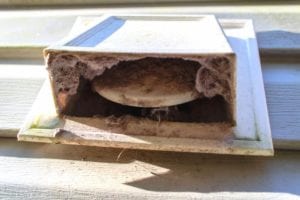
8. Clean out your dryer vent:  This task should really be done a couple of times a year, and it’s easiest when the weather is mild.  When lint builds up in the dryer vent, it becomes a fire hazard that we don’t see, often until it’s too late.  Prevention is simple, inexpensive, and can easily be a DIY item.  Watch a demonstration here.

9. Windows and screens:  There is something so satisfying about sitting with a cup of coffee to enjoy the view out of your newly clean, see-through windows.  Whether doing it yourself or hiring a company to come and make the glass sparkle, take advantage of the last few weeks of summer to have this done.  If you have any torn screens that have been letting bugs in…know that they are easier to fix than you think!

None of this, of course, is meant to rush the end of summer.  We plan to thoroughly enjoy every day until it’s over, and we hope you do, too.

08.13.2020

20 Best Housewarming Gift Ideas to Make You a Favourite Guest

Homeowners

These days, we don’t visit each other at home quite as much as we used to.  Special occasions can still call for an in-person visit, though – and when someone who is important to you buys a new home, that truly is a special occasion!

We have compiled a list of gifts for your wonderful variety of friends and family that will be appreciated- the kind that won’t be condemned to the clutter pile.

If you don’t want to show up empty-handed, here are 20 housewarming gift ideas to take with you:


1. For the Chef

On a budget:

A rice cooker…but for the microwave.  Only the absolute purist would object to a quicker way to prepare rice!  This affordable little kitchen gadget won’t break the bank, and it will give the chef more time and space to focus on creating other dishes.

joseph joseph rice cooker

If you want to splurge a little:

The kitchen perfectionist will love this all-the-rage sous vide.  Bonus:  When you are invited for dinner, you will be guaranteed a flawlessly cooked meal, worthy of the world’s top rated restaurants!


2. For the Gardener

On a budget:

For the first time home owner who can’t wait to play in the dirt on the property they own, this complete set of garden tools is a thoughtful gift to help them enjoy their new passion.

If you want to splurge a little:

No matter the time of year, this sleek starter kit allows the green thumb to do its thing.  Can’t go wrong with fresh herbs!

3.  For the Work-Weary

On a budget: 

In almost every staged home, you will find a bathtub caddy tray to hold a scented candle, a book, and a glass of wine to take bath time to the next level of relaxation.  Add a little luxury to their evening soak – just make sure the house has a tub!

bathroom caddy tray utoplike

If you want to splurge a little: 

Always appreciated, but seldom something a person will buy for herself (especially after a purchase as large as a house) – thick, fluffy Turkish towels.  These ones already come in a gift box.


4. For the Wine Lover

On a budget: 

A thoughtful gift to the wine lover that is as affordable as it is practical!

Easyinsmile Wine Accessories Gift Set

If you want to splurge a little:

A classic wine rack to display favourite bottles and keep a few glasses handy in case company drops in when it’s safe.

wine storage rack holder

5. For the Moms and Dads

On a budget: 

Engraving the family name on a set of coasters could be the trick that gets the kids using them!

Personalized Leatherette Name Coaster - Set of 6 with holder.

If you want to splurge a little:

No visual preview here, but plenty of young parents would appreciate a gift card to a local cleaning service or a meal delivery service.  An open ended certificate that they can use when life gets stressful and they need a break might just make you their hero.


6. For the Empty Nesters

On a budget:

For down-sizers who are in their first “adults-only” home and loving it, this sign may hold a place of honour in the house.

empty nest adventures tin sign

If you want to splurge a little: 

Now that the kids are out of the house, treat them to a space saving bluetooth speaker that fills the new house with the music they love!

kef muo wireless bluetooth speaker

7.  For the Fun-Lover

On a budget:

Even the beloved class clown eventually gets serious enough to buy their first house.  Help them keep their sense of humour alive and well with one of these cheeky gifts.

allike burrito blanket

You don’t even have to splurge: 

What’s more romantic than cooking for two?

DELUXY Mr & Mrs Aprons for Happy Couple


8. For the Pet Lover

On a budget:
If you know that the cat will rule the roost, some written ground rules might be appreciated.

cat side my side your side

If you want to splurge a little:

Let visitors know at the welcome mat that this home is pet-friendly.

Briarwood Lane Wipe Your Paws Pet Coir Doormat

9. For the Avid Golfer

On a budget:

Use a variation of this for aficionados of any sport, really  – but this one goes to the golfing enthusiasts.  An engraved flask for “fuel” before or after a game.

Palm City Products Golf Flask Gift Set

If you want to splurge a little:

…and stick with the theme of “liquid confidence,” you might choose to add this to the bar display of the serious golf (almost) pro.

Golf Ball Decanter Set

10.  For the Home Office Worker

On a budget: 

If space is limited, add a little whimsy to the home-office desk with this little guy who is happy to hold a phone and pencils.

pen pencil holder with phone stand

If you want to splurge a little:

For the home-worker who would appreciate feeling like an executive – this may be the perfect addition to the private office.

Dowinx Gaming Chair Office Chair

Finding just the right gift can be a challenge.  We hope this list has provided a little inspiration to help you celebrate the new home owners in your life!

08.13.2020

Why Buyers Need to Know Their Legal Description

Buyer Basics

What is a Legal Description?

There is a section of every Agreement of Purchase and Sale (aka the offer form) that is almost always ignored, probably because it seems like it’s written in a foreign language.

Have you ever seen something like this:

PCL 12-3, SEC 65T2961 ; PT BLK 21, PL 65T2961 , PART 2 & 3 , 65R35107 ,
S/T PT 8, 65R18107 IN FAVOUR OF PT BLK 11, PL 65M2961, PTS 4, 5 & 6,
65R35107 AS IN LT1077992 ; T/W PT BLK 21, PL 65T2961, PT 9, 65R35107
AS IN LT1077982 ; S/T LT1081795 ; Hamilton

[Full disclosure : This is a made-up description patterned after a real one – no property with this actual description really exists]

If you look quickly, you would guess that this alpha-numeric toss salad was typed in by a chimpanzee who was set loose on a keyboard for the first time.  However, this string of letters and numbers is actually very important:  It legally and indisputably identifies the property you want to buy, not just on your offer, but also on the deed, parcel register (a document found in the Land Registration Information System), survey plans, and property tax assessments that are attached to that property.

The legal description is not a street address, nor is it GPS coordinates.  It is the legal way to describe the boundaries and some of the important encumbrances that affect the owner’s use of the property.


How Do I Read the Legal Description?

Land in Ontario has been divided into townships, concessions and lots, parcels within sections, and lots and blocks within plans of subdivision.  Depending on the age of your home, and the way the builder has registered, you may see references to more than one of these types of divisions.

Here are some of the common abbreviations in legal descriptions:


BLK                 Block

CON              Concession

LT                   Lot

PCL                Parcel

PL                  Plan

PT(s)             Part(s)

ROW           Right of Way

SEC             Section

S/T             Subject to

T/W           Together with

TWP           Township


This is Boring – Why Should You Care about a Legal Description?

Most of the information in the legal description is of use mainly to the builders, lawyers, and tax people.  They use it to make sure they build on the right land, transfer title to the right property, and tax the right amount to the right owners.

Some of what’s buried in this legalese, though, can really affect the way you use and enjoy your home and land, and even how you share it with neighbours.

For example, if you see the “S/T” or “T/W” in your legal description, take note.

A “Subject-To” instrument that is registered on title means that someone else has rights over your land.  Most of the time, there’s no need to panic – you likely won’t have anyone with hunting or fishing rights coming into your backyard.  However, you may have a mutual drive. that gives your neighbours the right to drive on what you consider your side of the driveway.  We have seen cases (usually in older parts of the city) where almost the entire driveway is a mutual, or shared path; but there are also cases where there is a narrow strip of just a few feet that is subject to use by an adjacent property owner.   It is important to know what rights you and others have in order to understand where you can park, and what paths need to be kept clear for use by others.

Depending on your intended use of the home, this could cause other problems.  For instance, if you intend to apply for legal duplex status, the parking situation could be the deal-breaker with the by-law office.

Utility easements are also fairly common, and they occasionally prevent property owners from building additions, sheds, elaborate gazebos and other structures, or in ground pools.  Storm sewers, buried cables, etc. might be in the path of your planned improvements.  If you have plans to do any of these things, have your lawyer verify the legal description before removing conditions from your offer.

This abbreviation will also appear when dealing with semi-detached or row houses to describe shared/connecting walls.

You’ll often find a “Together-With,” or “T/W” instrument with the “S/T.”  It is the flip side to the easement coin – to describe the rights that others have over the land.  In places where houses are close together, there may even be a “T/W” to allow an owner to do maintenance, such as window washing, by entering and standing on the land next door.

A right-of-way (ROW) should also be investigated so that you understand it.  These will often be described with “S/T” or “T/W,” but you may see a ROW to describe a laneway to allow vehicle or pedestrian traffic to flow.


legal description

If You Want to Be 100% Sure…Get a Survey!

A survey is a detailed property drawing. It will give you exact dimensions of the land, as well as the location of  buildings, driveways, fences, and adjacent roads. It will clearly show easements or rights-of-way for use by utility companies or others over the property.

A survey can help make sure that the size and location of the property are accurate, that the buildings do not encroach onto the neighbours’ property, that neighbours’ buildings do not encroach onto your property and that there are no hidden easements that would interfere with your use of your property.

The cost of a survey varies depending on the size of the property, but you can expect to pay $1500-2000 for an average Hamilton survey.


T/L; D/R

In case you have glazed over because this is such a dry subject – here is the cheat sheet for you as an eager buyer:

  • Ask your Realtor to double check the legal description on your offer.
  • If you see “S/T,” “T/W,” or “ROW” in the legal description, have your lawyer investigate further, especially if you have plans for a swimming pool, large shed, gazebo, or legal duplex application.
  • When in doubt, consider having a new survey done.


08.7.2020

Tips for Winning a Bidding War – or Avoiding One

Buyer Basics

In many markets, including our own, the past few years have been tough on buyers. Even when the markets seemed to pause for a breath, the change hasn’t lasted – and the trend has continued to favour sellers.

Some first-time buyers find that the biggest challenge they face is to weed through the counsel they’re getting from all sides and figure out who to listen to. On the one hand, parents and others who remember saner times may have opinions that developed based on a balanced market, and they might offer advice that no longer works. Sellers and realtors, on the other hand, may encourage aggressive offers and new strategies that feel unsafe and unreasonable.

Unfortunately for buyers, bidding wars have, once again, become the norm with properties that are listed on MLS. It is not unusual to hear of five or more offers on an average-priced home. How is a buyer to handle this imbalance between supply and demand?

If you have decided that NOW is the time for you to buy, whether this is your first home or you need to sell and make a move, there are a few things you can do to increase your chances of getting your offer accepted on a listed property.

..

1. OFFER MORE MONEY

So we start with the obvious. Without a doubt, most of the time, a Seller’s first priority is money. To be competitive, you must have your financing in place with your lender and know your numbers. Be clear on how much of a down payment you need, whether you will require CMHC approval, and what your budget is.

In days gone by, it was safe to look at homes that were priced a little over the budget and hope that, with some negotiating, you could get it for less. These days, quite the opposite is often true. It is wise to shop a little below your budget and allow room to offer over the asking price.

Remember that Sellers do not have to give Buyers a chance to increase their offer. They may simply choose the highest offer and reject all others. In a multiple offer situation, the best strategy is often to put your best offer on the table immediately.

Just a note of caution here: Work closely with your mortgage broker and your realtor to ensure that your lender will be willing to justify the price you offer. Lenders understand that the markets are going up, but they still use appraisal values to determine how much of a mortgage to offer on a property. If you offer more than the bank thinks the house is worth, you may have to be prepared to increase your down payment.

..

2. INCREASE YOUR DEPOSIT

You secure your deal with a deposit, which becomes part of the total down payment on closing. Sellers often perceive the total of the deposit as a sign of how serious a buyer is about the property, and of how able they are to complete the transaction.

This is another element of the process that sometimes comes as a shock to someone who hasn’t bought a house in many years. The required deposit amounts are much higher than they remember – but then again, so are the prices!

For some sellers, a large deposit represents security, since they feel that a buyer will not walk away from a deal where they have much to lose. If you can increase your deposit, and you feel comfortable doing so, it may give you an advantage in a bidding war.

..

3. BE FLEXIBLE ON CLOSING DATE

After price, closing date is the next most important element of the contract to most Sellers. The more flexible you can be with this, the more powerful your offer will be.

Depending on the situation, this could mean being ready to close quickly or being willing to delay closing.

If you are renting, a quick closing may cost you an additional month’s rent after taking possession of your new home (time you can use to paint, spruce up, and decorate, if you choose). If you have a house to sell, a bridge loan can solve the problem of a gap between your sale and your purchase.

If a long closing is more appealing to the seller, ensure that your mortgage approval can be extended, if necessary.

..

4. REMOVE CONDITIONS

This part can be scarier than offering more money. The two most common conditions are financing and inspection. By working closely with your mortgage broker, you may be able to safely remove the condition on getting financing.  This is called making a “firm” offer.

It’s wise to be careful when choosing to remove the condition on inspection, though. An inspection offers a measure of protection from future headaches and expenses.

We don’t suggest that buyers just blindly make a firm offer without having an inspection at all. In a tight seller’s market, though, you may have a pre-inspection done before offers are presented. Some inspectors will provide a limited pre-inspection, reporting on only structural issues and major components of the property like the roof, foundation, HVAC, etc.

Another alternative is to view the property with a qualified contractor, if you know someone you trust. A thorough walk-through during a showing may be enough to make you feel at ease with forgoing a home inspection.

Always have your agent ask questions, in writing, to have the Seller disclose any defects with the house. They know the property best, and must answer truthfully.

..

6. INTRODUCE YOURSELF

Many offers that come in during a bidding war include personal letters from the Buyers to the Seller. We have seen Sellers who become very emotional during the process of considering offers. Occasionally, a personal story will resonate with someone and make a difference in their decision.

..

7. USE CONNECTIONS TO AVOID COMPETITION

If this whole frenzy of bidding wars and aggressive offers does not appeal to you, you are not alone. Even a few Sellers prefer a slower pace.

Try putting the word out among friends and neighbours that you would like to buy a place. Ask your realtor if they know of anything coming up that isn’t yet listed on the open market. You may discover an opportunity to make an offer on something more quietly and create a deal that works for both you and the Seller.

Please let us know if you would like more information about how to buy in these crazy times – we would love to help!

08.7.2020

Hamilton First Time Home Buyers – 9 FAQ’s

Buyer Basics

Buying your first house is a huge decision! Most home owners, looking back, remember it as a very rewarding experience. In the moment, though – the process can feel overwhelming.

To help you out, we have compiled a list of some of the most frequently asked questions our clients need answered.


1. Should I buy or rent?

This is a very personal decision, and your answer will depend on your circumstances and your stage of life. Both renting and owning have advantages, but here are some things to consider:

If you are in debt, do not have any money saved up for a down payment, or if buying would tie your entire savings up in a house, renting is probably the best option. Being house-poor can be very uncomfortable, not to mention financially risky.

If you move often, either by choice or because of career or family obligations, renting may keep your life simpler.

If you think of a house as an investment, but you are a savvy, financially disciplined investor who knows how to earn more on your money elsewhere – you may come out ahead by renting.

If you live in a city where housing is unaffordable, you may have no choice but to rent until there is an option to move away.

However…

If you have saved up enough for a down payment and closing costs, and you still have a little cushion left over in your savings, you may be ready to take on a mortgage

If you are ready to stay in the same place for the next five years, are thinking of starting a family, and are financially stable, buying a house could be a sound investment.

If you think of buying your home primarily as a financial investment, and are willing to stay in the market for the long term, that is when the gains are typically most significant.


2. How much money do I need to buy a house?

In Canada, the standard minimum down payment for a high ratio (or insured) mortgage is 5% of the purchase price, up to $500 000, and more if the purchase price is higher.

There are lenders and websites that advertise “No Down Payment” options, but what these really mean is that you can borrow your minimum down payment, and you must qualify for that loan, too.


3. What is the difference being “pre-qualified” and “pre-approved?”

Pre-qualification is a first step on the road to pre-approval for a mortgage.

You may even be able to get pre-qualified online by answering a few simple questions about your finances. The purpose of this step is to give you an estimate of what you can afford, and what mortgage rates and options may be available to you.

Pre-approval is an in-depth analysis of your financial picture. It requires proof and documentation, including a full mortgage application, a credit review, tax returns, pay stubs, etc. Once the lender has verified your information, they will give you a written commitment for the amount they are willing to lend, subject to appraisal of your chosen property. The commitment includes an interest rate that is locked in for a certain period of time, regardless of any increases in market rates. If the rate goes down, though, you will get the lower rate.

Being pre-approved does not tie you to that lender. You are still free to shop around for a better mortgage, if you choose to.


4. Should I buy with 5% down?

This is another one of those questions that only you can answer. We can help you understand the risk of buying with the minimum down payment, but the rest is up to you.

Lenders require that home buyers have a down payment to ensure that they have some “skin in the game,” so to speak. That way, if times get tough, the temptation to just walk away from the property and let the lender repossess it should be less intense . . . or so the theory goes.

Five percent of $500 000 is $25,000, which is the equity you would have in your house. Most people who worked to save up $25,000 would not easily throw it away.

But what if the market suddenly nosedived – and there was a “correction” to the housing market? How would you feel if your own portion of the equity in the property got wiped out by market forces that could take years to recover? Would you be able to handle knowing that your mortgage was higher than the value of your property for a period of time? If your goals are long term, and you are prepared to weather this type of storm, buying a house with a lower down payment may be a good option for you.

The reality for many years now has been that values have continued to climb, and many buyers with low down payments have done very well for themselves. This is especially true if they have improved the home’s value with finishings or renovations.


5. Does my credit score matter?

Your credit score will affect the type of mortgage and the interest rate your lender can offer you. Before buying a house, it is wise to check your own score and take time to improve it, if you can.


6. Are there tax benefits to owning a house?

  • In Canada, if you buy a qualifying home as a first time buyer, you can claim $5000 on your income tax return in the year of your purchase.
  • In some cases, there may be benefits to using tax-free dollars from your own RSP savings toward your down payment.
  • Canadians with disabilities may qualify for a tax credit if they buy a home that is more accessible or adapted to their needs.
  • If your primary work space is in your home, you may be able to write off a part of your home expenses on your tax return.
  • The most significant tax advantage is that the increase in the value of your primary residence is a non-taxed capital gain.


7. How can I get the best rate on a mortgage?

There are a few ways to do this.  Spending some time building an excellent credit rating is definitely the first step toward getting a good rate.  Banks like to work with clients who have a history of paying their bills consistently and on time.

If you have a good relationship with your bank, one option is to walk in and negotiate directly with them.  They may reward your loyalty with a good rate and a few product perks (waiving your appraisal fee and/or banking fees for a while).

Online shopping doesn’t stop at Amazon; you can shop for mortgages online yourself.  This tends to work best for buyers whose circumstances are “typical,” with a regular, steady, and predictable income.  It is more challenging for anyone who is self-employed or has unpredictable income or expenses.

Alternatively- and this is what we always recommend – you could seek the help of a mortgage broker.  Their job is to shop for the best mortgage for you, and the lender usually pays their fee.


8. Should I use government incentive programs?

Maybe.  There are always pros and cons to every offer, and these programs may not be the best option for you.  We strongly recommend (again) that you speak to an experienced mortgage broker who can explain how each program works and what your other options are.  For more information about using your RSP’s for your down payment under one incentive program, check out this article.  And for more information about the CMHC Shared Equity program, click here.


9. How much protection does a home inspection offer?

A home inspection can put your mind at ease.  The interior systems that the home inspector will check include electrical, plumbing, ventilation, heating, air conditioning, insulation, flooring,  walls, windows and doors.  He or she will do a visual inspection of the exterior, including the roof, chimneys, gutters, downspouts, windows, doors, wall surfaces,  foundation and grading.  Any deficiencies in these items will be noted, and some inspectors may estimate what the cost would be to remedy them.

An experienced inspector will look for signs of hidden problems, such as efflorescence on basement walls that may indicate water infiltration, dark spots that could be a sign of mould, or vermiculite materials that may contain asbestos.

The limitations of a regular home inspection include anything behind finished walls, or anything that is latent and concealed.  For example, during a dry spell, an inspector may not be able to tell if the basement will leak during a rain storm.  Since the inspection is visual, the inspector may not be able to tell what the life expectancy is of a given component – as long as it is currently in working order.  Problems with clay sewage pipes, lead water supply pipes, or environmental contamination are typically not discovered during a home inspection.

For rural properties, a separate inspection must usually be booked for the septic system, well, and wood-burning appliances.

Ask your chosen inspector for references, and read their policies carefully to be sure of what warranties they offer on their services.


A final word…

Since so many of these questions have to do with financing, we highly recommend working with a skilled mortgage broker who takes the time to explain the process, potential pitfalls, and personal details to you. Understanding the financial details goes a long way toward helping you make a confident decision.

Want More Info Like This Delivered to Your Inbox?

Leave Your Email Below to Sign up!

  • This field is for validation purposes and should be left unchanged.

08.7.2020

How Can You Tell if a House is Showing Its Age?

Homeowners


Houses can be a lot like people.  We separate ourselves into ‘generations’ because we feel that we have common traits that define us in many ways, based on how old (or young) we are.  Baby Boomers, Millennials, Generations X and Y, and now Gen Z – or Centennials (I love that one!):  Each group has tendencies, and common character strengths and weaknesses.

When we talk about houses having ‘character,’ we are referring to unique features that add beauty and class to the architecture.  Some would say that every house has ‘personality,’ for better or for worse, to go with that character.

Building methods change and improve, for the most part, as they years go by, but there are some trends in the industry that turn out to be big mistakes.  Once they are discovered, necessary renovations can be expensive.  Whether you are working to maintain a home you already own or are looking to buy a place, it’s good to be aware of potential issues before they cause maximum damage.


Here is a timeline of a few of the common construction weaknesses and defects in houses of ‘a certain age’ that could cause you financial pain:


Houses built between 1995-2007:


If a house or apartment building was built during these years, it is important to identify what type of plumbing materials were used.  Kitec plumbing was widely used during that period, but has since been discontinued because of its tendency to leak or even burst, causing flooding.  You may be able to recognize it by its blue and orange flexible piping, and you may find a yellow sticker on the inside of the door to your electrical panel with a warning something like: “Caution: This building has non-metallic interior water piping.”

Despite the fact that plumbers really liked the ease of installation, Kitec turned out to have a very short life span and has caused some extreme property damage.  The only solution is to replace all of it with more traditional copper, or pex, which can be a messy, expensive job.  A massive class action lawsuit was open until January 9, 2020 for anyone who was affected by the problem.


..

Houses built between 1965-1973:

Due to the rising price of copper during the mid-1960’s to the mid-1970’s, builders used aluminium as an alternative to copper electrical wiring.  Despite the popular misconception that aluminium wiring has been banned or recalled, the material itself is actually still legal, even for use in new construction.  Don’t take our word for it!  Check out Ontario’s Electrical Safety Authority.

If you’re not sure whether you have aluminum wiring, there are some ways to identify it here.

Aluminium is not at all forgiving of poor installation practices, and it is a definite fire hazard if not handled by a licensed electrical contractor.  There is no need to panic if your current home has aluminium, but you may want to have a thorough inspection done if you don’t know the full history of the house or any renovations that might have been done over the years.

Even if you know your wiring is safe and properly installed, you may find that the biggest problem you have comes when you try to sell.  Buyers may be afraid due to misinformation or pre-conceived ideas.  If your home has aluminium wiring, prepare to adjust your expectations accordingly upon selling the property.

Insurers who offer coverage will charge more for a policy on a house with this type of wiring.

During this period, builders also installed fewer electrical outlets in each room than they do today, and fewer circuits overall. You might find that our modern way of life, with all the gadgets and appliances being used daily, requires a panel upgrade.  Always hire a licensed electrical contractor to do any upgrades or make any changes to your home’s wiring.  It is money well spent on the safety of your home and family!


Houses built up to 1990:

Vermiculite insulation that was used up to the late 1980’s *may* contain asbestos, which is now a known carcinogen.  Most vermiculite does not have asbestos, but there is no way to know for sure without an environmental test.  If left undisturbed, there is reportedly very little to no risk associated with it.  In a friable state (prone to crumbling into small particles), or if it becomes airborne (most often during a renovation when things are being sawed, sanded, or otherwise shaken up), inhalation of the small particles can cause lung cancer or mesothelioma.

Besides insulation, asbestos was used until about 1980 in old floor tiles, ceiling tiles, some roofing materials, siding, insulation (around boilers, ducts, pipes, sheeting, fireplaces), pipe cement, and joint compound used on seams between pieces of drywall.

Clearly, it is worth the peace of mind to have an asbestos abatement professional test any vermiculite or other questionable materials you may find, as well as to consider replacing contaminated insulation, etc., with something safer.


Homes built between 1975-1980:

While we are on the topic of insulation, UFFI (Urea formaldehyde foam insulation) is something you should be aware of.  UFFI is an expanding foam that was mixed onsite, and sprayed or pumped into under-insulated buildings through small drilled holes.

After its peak use from 1975-1978, the product was banned in Canada in 1980 because it contains formaldehyde.  There was concern that off-gassing of this substance was a serious health hazard.  Many people are of the opinion that UFFI is unfairly stigmatized, and that it is not the dangerous carcinogen it was once thought to be. In fact, the US Court of Appeals overturned the American ban on UFFI in 1983, and the material is still legally used in Europe.  For more information (and pictures) read up on it here.

Nevertheless, here in Ontario, it is important that you be aware of the possible presence of this type of insulation. Our standard real estate purchase agreements include a warranty to the Buyers that there is not, nor has there ever been UFFI installed.  Not acknowledging or disclosing the presence of existing UFFI could lead to a costly lawsuit.


Homes built up to 1980:

Any house with plumbing installed before 1980 could have clay sewer pipes to carry waste away from the house.  The typical life span of this type of pipe is about 50 years, as compared to PVC, which, reportedly, can last up to 100 years.  The most common problem with clay pipe is its susceptibility to invasion by tree roots.  As the roots seek the moisture contained in the pipes, they can cause real damage.  If you smell a foul odour, have sewer backups, or hear weird gurgling sounds in the kitchen or bathroom pipes, it would be wise to have a plumber send a camera down through the drainage system to inspect the state of the clay pipe.  Different solutions may be available, depending on the amount of damage that has occurred.  If the pipe is mostly intact, you may be able to have a cured-in-place liner installed without digging up your property.  Where the deterioration is too far gone, it may be necessary to dig up the old and install brand new pipes.  If you are a resident of Hamilton, part of the repair that includes the plumbing leading to the municipal sewer may be reimbursed by the City.  While you are doing this type of work, consider installing a backwater valve, too – since the cost of it is also covered by the Municipality. Two options are available to avoid a costly out-of-pocket repair should you need it.

1) Check your home insurance policy – some policies cover service lines. If you’re covered, great!

2) The City of Hamilton has a program in place where you can pay $64 per year for coverage. In our opinion this is a must-have. You can read more about it here.


..

Homes built between 1900-1950:

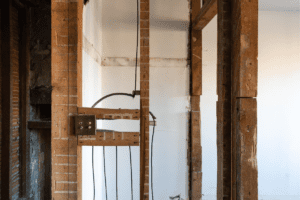
Unrenovated homes built in this era very likely still have knob and tube wiring.  Although the Electrical Safety Authority still recognizes it as a usable electrical system if properly maintained, many insurance companies will refuse to cover a property that has this type of wiring.  Without getting overly technical about it, this old style electrical wiring is not grounded, thus increasing the risk of fire.  It is also insulated with rubber materials that may degrade over time, exposing the wires.

If you are considering buying an older home or suspect your current home may not have been fully updated, make sure to inspect it carefully for old wiring. This is especially tricky if the basement and attic are completely finished.   Some active knob and tube could be hidden behind finished spaces, even if the majority of the electrical system has been replaced.  If you see 2-prong outlets, or tandem/parallel outlets, have a licensed contractor take a look and advise you as to how safe the wiring is.


Homes built up to mid-1950’s:

Single family homes and small multi-unit buildings of this age may still have lead water-service pipes.  By now, it is common knowledge that lead is not safe in drinking water, and that this type of plumbing should absolutely be replaced.  Less commonly known is that there may be lead in fixtures, such as faucets and valves, as well as soldering wire, used until approximately 1990.

Even if your interior water supply lines are copper, a home inspector or plumbing contractor may be able to identify incoming lead supply pipe from the municipal lines.   If the connections are not visible, you may get a clue from your water pressure.  Low pressure may indicate old water supply lines.  A request for an upgrade to improve water pressure sometimes triggers the investigation into whether there is lead in the supply to your home.

If you are at all concerned about this particular health hazard, contact your municipal offices to see what programs, grants, or projects they are currently working on. (For the City of Hamilton click here.)

Typically, homeowners are responsible for any repairs or upgrades to the pipes on their own property, while the municipality covers the cost of replacement on the public supply side.  When you inform the City that you will be replacing any old lead pipe on your private property, they usually follow up with replacement on their side of the system.

While waiting for help to remove any existing lead pipe, a filtration system may help improve water quality in your home.  Research your options thoroughly to learn how to ensure that you and your family are drinking safe water.

Houses from this era were not well insulated.  Building standards are continually being improved, and insulation has gradually made homes more comfortable during seasonal extremes, all the way from the basement to the attic.  Proper insulation also makes a more energy efficient home.  For finished spaces, the easiest way to add insulation is usually to have it blown in.  Check out some expert advice about staying warm in an old house here.


Maintaining your home is part of protecting your largest investment.  As new technology and building methods continue to be discovered, we will surely continue to see improvements in safety and quality standards.  Homeowners who continue to upgrade and stay current will not only enjoy the comfort of their homes, but they can also expect to see the returns on their investment with increased value if and when they decide to sell.


01.13.2026

Condos appeal to people for different reasons. Some are buying their first home and want something that fits the budget. Some are downsizing and ready to offload maintenance. Others simply like the locations, the amenities, or the simplicity.

Sometimes a detached or freehold home would be nice, but it doesn’t make sense financially. Other times, a condo is the right call for other reasons.

What matters is understanding how condo ownership actually works day to day, and where it tends to be a great fit or a source of friction.

The UPSIDE*:

Convenient locations  

Most condo buildings end up in areas people already use every day. Walkable streets, transit nearby, restaurants, groceries, and errands that don’t require a car. For many buyers, that convenience shows up quickly in daily life and becomes one of the biggest benefits.

Built-in community**

Living in a shared building means you tend to recognize people. You see the same faces in the elevator, the gym, or the parking garage. Some owners enjoy that low-key sense of familiarity and the added comfort of having people nearby.

..

On site amenities

Amenities are often what tip people toward condo living. Depending on the building, that might mean a gym, pool, party room, rooftop space, barbecues, or guest suites for visitors. Concierge services and security can also be part of the appeal. You get access without having to manage or maintain any of it yourself.


..

Lower initial purchase price

For many first-time buyers, condos are the most accessible entry point. A lower purchase price can make ownership possible sooner and allow buyers to start building equity without waiting years to save a larger down payment. At the other end of the spectrum, there are also high-end condo buildings that attract buyers looking for something very specific.

Less maintenance

One of the clearest advantages is how little hands-on work is involved. No mowing, no shovelling, no exterior upkeep to plan around your weekends. For people who want to own without constantly managing a property, this can be a real relief.

Well suited to travel

If you travel often or spend time away for work or extended trips, condos make that easier. You can lock the door and leave without worrying about snow buildup, exterior maintenance, or an empty house drawing attention. Buildings stay active, and issues are more likely to be noticed quickly. (See Built-In Community above!)


..

Built-in planning for long term repairs

All homes need maintenance over time, and those costs add up. Condo fees include contributions to a reserve fund that is meant to cover future repairs like roofs, windows, elevators, garages, and common areas. In a well-run building, this spreads costs over time and reduces the likelihood of sudden, large expenses for individual owners.

*Many of these items refer to apartment condos.  You may also choose to live in a townhouse condominium, which usually means lower fees with fewer amenities, and less central location.

** A plus for some people, less appealing for others.


The DOWNSIDE:

Condo fees affect what you can afford

When lenders assess a mortgage application, condo fees count as a monthly obligation. Higher fees can reduce the amount you qualify for, even if the purchase price looks reasonable.

Close quarters living**

Shared walls, shared spaces, and shared schedules are part of condo life. If privacy and independence matter a lot to you, this can start to feel restrictive, especially in buildings with higher density or poor sound insulation.

..

Rules and restrictions

Condo living comes with by-laws. These can regulate pets, rentals, renovations, window coverings, and even paint colours. The rules are enforceable, and boards can issue fines or take legal action if an owner does not comply. This is one of the biggest lifestyle differences compared to freehold ownership.  To some, it feels like creating safety.  Others find it stifling and resent the limits on their personal freedoms.

..

Parking and storage limitations

Urban condo buildings often have limited parking. Most units come with one space, and additional spots are rare. Multi-car households can run into issues quickly.

I once looked at a condo for a client with three vehicles. The building allowed a maximum of two parking spaces per unit, with no option to rent or purchase a third. When I asked the property manager if there were any workarounds, his response was simple: “If you need three spaces and you buy in here, you’re setting yourself up for nothing but grief.”

Storage can present similar constraints. Many buildings offer a single locker, which may not suit people with larger storage needs.


..

Limited control over finances

Condo boards and property managers oversee budgets, maintenance, and reserve funds. When management is strong, owners benefit. When it isn’t, issues tend to show up in rising fees, deferred repairs, or concerns during resale when buyers review the building’s financials.

 

Special assessments may hurt resale value

If major repairs arise and the reserve fund is insufficient, owners may face a special assessment. This can mean a lump-sum payment or a temporary increase in fees. These assessments appear in the status certificate and are visible to buyers. In many cases, buyers will expect the seller to cover the cost as part of the transaction.

..

This isn’t a complete list, and it isn’t meant to push anyone in one direction. How you live, how much control you want, and how you prefer to budget all factor into a decision.

If you’re considering condo ownership in the Greater Hamilton Area, it’s worth taking the time to understand how different buildings operate before committing.

Reach out to the Brandow Team today!